Overview
A country full of colour, natural beauty, incredible wildlife, and remarkable architecture, as well as a rich tapestry of races, cultures, and philosophies, India is a soul-stirring and wondrous place to visit. The diverse landscapes, from the towering mountains of the north to the sun-soaked beaches of the south coast, are breathtaking, while the national parks, with their range of flora, fauna, scenery, and attractions, provide ample opportunity of close encounters for wildlife enthusiasts. For first-time
travellers, a comprehensive India travel guide helps showcase the country’s diversity and the wide
variety of things to do in India.
The wildlife sanctuaries in India are home to a wide variety of animals & birds and comprises of different habitats that will leave you spellbound. On an Indian safari, you’d get abundant of wildlife viewing opportunities and below are some of the best jungle safaris in India that you can explore. These experiences form the core of an unforgettable India wildlife safari, combining conservation, adventure, and authentic nature encounters.
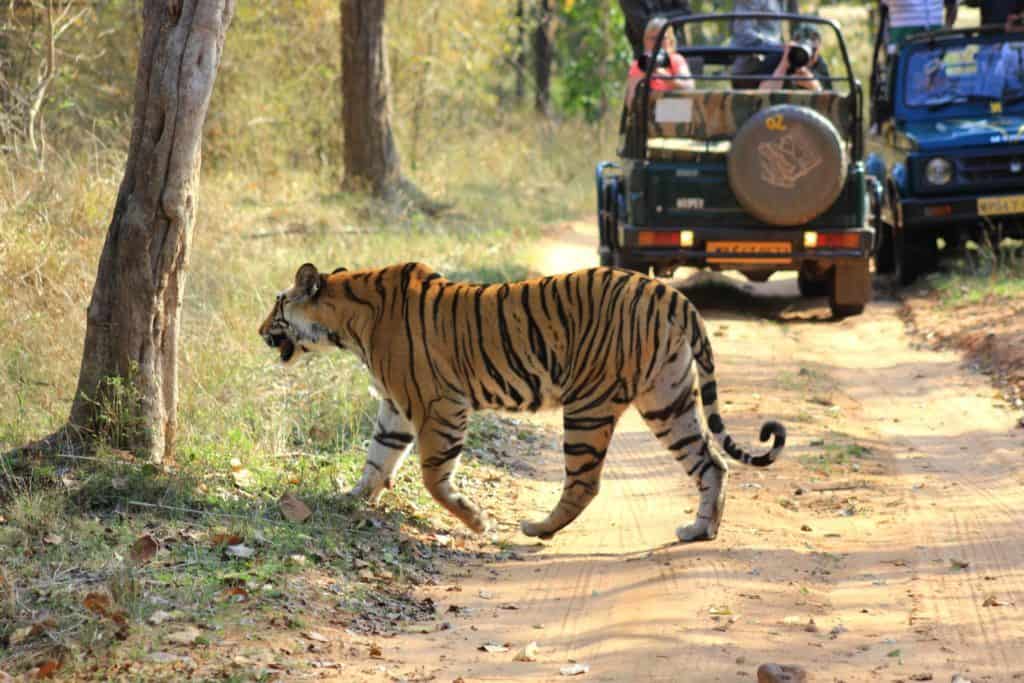
Ranthambore National Park in Rajasthan is one of the best places to see India’s wildlife, most notably Bengal tigers. Covering almost 400 sq km, it was originally established as a game sanctuary in 1955, became a Project Tiger Reserve in 1973 and a national park in 1980. Today it offers one of the best chances to see tigers in their natural jungle habitat. Other animals to look out for include leopard, wild boar, sambar, striped hyena, sloth bear, langur, and rhesus macaque. The majestic fort, which gives the park its name, towers over the landscape. The best time to visit is November to March (it’s closed during the monsoon season July to September). For many travellers, Ranthambore represents a classic tiger safari in India, blending rich history with exceptional wildlife viewing.
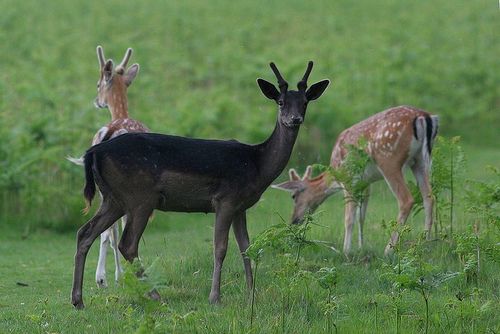
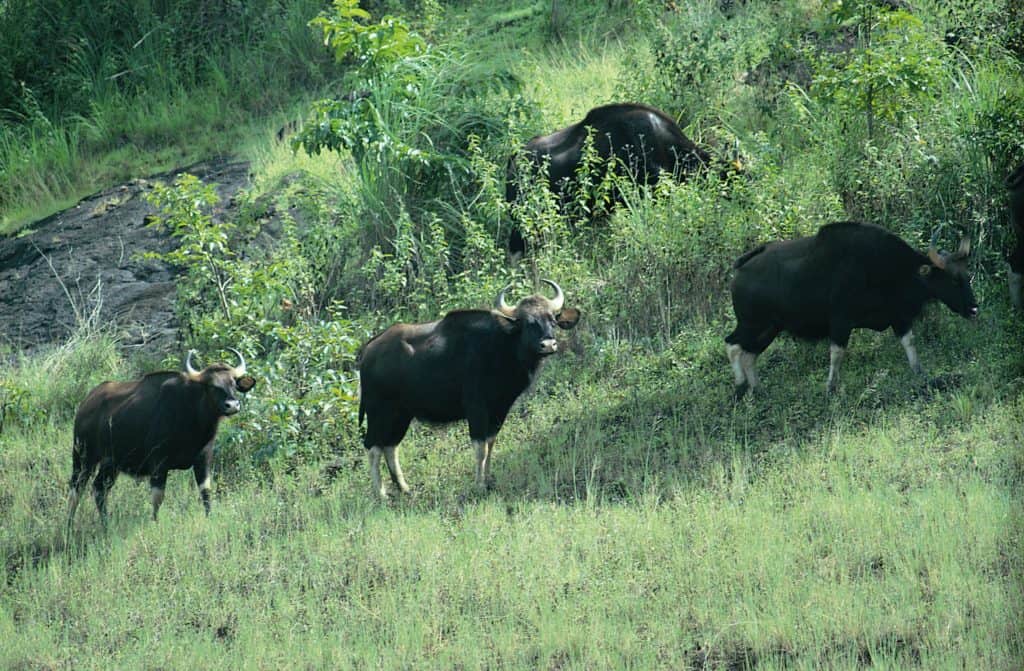
Bandhavgarh National Park, a relatively small reserve in the foothills of Vindhyas in Madhya Pradesh, has one of the world’s highest densities of Bengal tigers. It was here that the first white tiger, Mohan, was captured in 1951, now stuffed and on display in the palace of the Maharajas of Rewa. The park is also home to a large breeding population of leopards, sambar, chital and barking deer, nilgai, striped hyena, and bison as well as more than 250 species of birds and about 80 species of butterfly. The park is open October to June while April, May and June are ideal for tiger sightings.
The oldest national park in India, Jim Corbett National Park, was established in 1936 to protect the endangered Bengal tiger. With stunning scenery – forest, hills, grassland, riverine, marshland and a large lake – and diverse wildlife, it’s also home to 50 mammal species including elephant, sloth bear, leopard, hyenea, Himalayan goral and crocodiles, 25 reptile species, 580 bird species and 488 plant species. It’s one of the most popular national parks in India, with about 70,000 visitors each season, making it the best wildlife safari in India.
Indian safaris are popular for tiger sightings, and apart from the list of national parks above, other popular tiger reserves in India includes Sunderban Tiger Reserve in West Bengal, Kanha Tiger Reserve in Madya Pradesh, Rajaji Tiger Reserve in Uttarakhand, Bandipur National Park in Karnataka, and Indravati Tiger Reserve in Chhattisgarh.
FAQ - Safari in India
India offers a wide mix of experiences, from cultural landmarks and historic cities to national parks and scenic landscapes. First-time visitors often combine sightseeing with wildlife experiences, such as visiting tiger reserves or exploring heritage forts. A well-planned India travel guide helps balance culture, nature, and comfort.
Yes, India is one of the world’s top destinations for wildlife safaris, particularly for spotting Bengal tigers. With diverse ecosystems ranging from grasslands to mangroves, an India wildlife safari offers opportunities to see elephants, leopards, sloth bears, and rich birdlife. Many parks are well-managed and guided by trained naturalists.
Popular destinations for a tiger safari in India include Ranthambore, Bandhavgarh, Kanha, and Jim Corbett National Park. These reserves are known for healthy tiger populations and well-regulated safari zones. Visiting during the dry season significantly improves sighting chances.
Most travellers spend 8 to 12 days focusing on two or three national parks for a relaxed wildlife experience. This allows time for multiple game drives, travel between reserves, and rest days. Shorter trips usually focus on one key park with high tiger density.
The best time for wildlife safaris in India is generally from October to March, when weather conditions are comfortable and animals are more active. April to June can offer excellent tiger sightings but temperatures are much higher. Parks are usually closed during the monsoon season.
India is generally safe for tourists, especially within established national parks and safari circuits. Licensed guides, regulated safari vehicles, and strict park rules help ensure visitor safety. Following local advice and booking through reputable operators adds an extra layer of confidence.
Guided safaris are highly recommended in India, particularly for wildlife and tiger-focused trips. Experienced naturalists improve animal sightings and provide valuable insight into conservation and animal behaviour. For most travellers, guided safaris greatly enhance the overall experience.