Overview
The Republic of Cameroon is a French and English speaking country situated in Central Africa. Its coastline lies on the Bight of Biafra, part of the Gulf of Guinea and the Atlantic Ocean. Known as ‘Africa in Miniature’, Cameroon famously contains ‘all of Africa’ within its borders. The country boasts exquisite terrain, cultural diversity, a vast assortment of flavours and cuisines, and modernity, all rolled into one vibrant, bustling, wonderfully chaotic package.
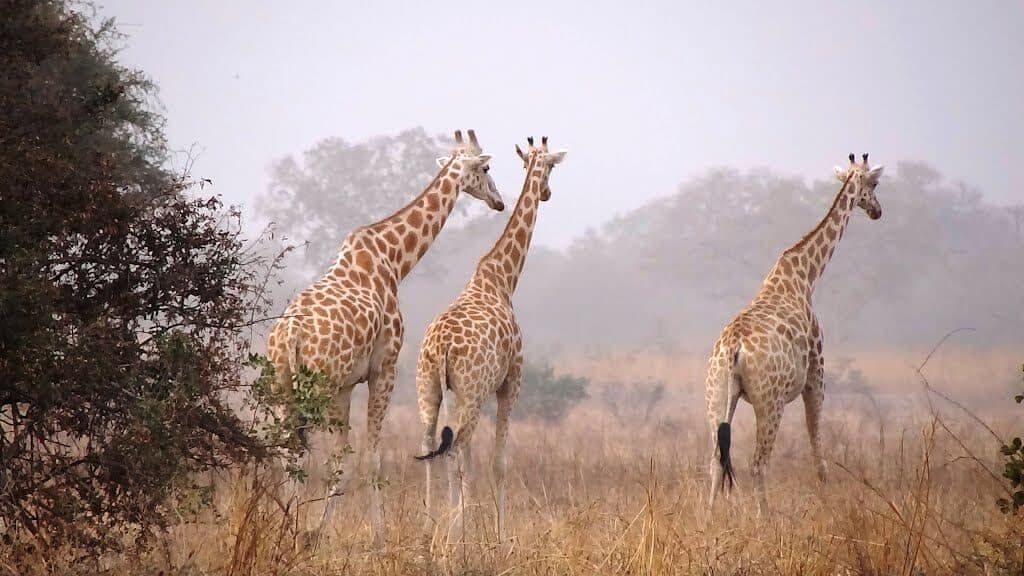
Waza National Park, a UNESCO biosphere area, is one of the most visited places in the far north of Africa. This massive park covers 170,000 acres and is so huge that travellers need two to three days to explore it thoroughly. The park is located in the transition zone between the Sahel and Sudan savanna, containing acacia and open Yaéré savannah forests. The best time of year to visit is between December and March when the wildlife gather around waterholes to get shade, cool off and quench their thirst. In this area, spot giraffes, elephants, hyaenas, gazelles, and if you are in luck, the mighty lion too! In this park enjoy exciting nature walks with a tracker, swim in one of the beautiful waterfalls and relax on leisurely safari drives.
Located in North-Eastern Cameroon, Bénoué National Park is a UNESCO designated Biosphere Reserve. This park is made up of wooded grassland and tropical woodland savanna and is the home of around 30 endangered West African lions, so be sure to keep your eyes wide open – you don’t want to miss these majestic creatures. In Bénoué, also expect to see giraffe, cheetah, eland, zebra, red river hog and hippo. There are also a staggering 300 bird species to be spotted in the area, so if you’re a bird-lover be sure to bring your binoculars.
The most accessible park in Cameroon, Korup National Park, contains one of the oldest and richest tropical forests on the continent of Africa in terms of flora and fauna. The park is an extremely popular bird-watching area, and also provides excellent primate viewing with 14 different primate species. An extensive network of trails allow visitors to reach every part of this park and all visitors must brave the Mana suspension bridge in order to enter – an thrilling experience guaranteed to get the heart racing! Other wildlife to be spotted inside the park include leopards, duikers, buffalos and elephants. In this park, enjoy hikes, walks, boat trips and safari drives through the exquisite terrain.
FAQ - Safari in Cameroon
Cameroon is often referred to as “Africa in Miniature” because it showcases nearly all of the continent’s landscapes and experiences in one country. From tropical rainforests and savannahs to deserts, mountains, and coastlines, it’s like exploring the best of Africa in a single destination.
The dry season, from December to March, is the best time for safaris in Cameroon. During this period, animals gather around waterholes, making sightings of elephants, giraffes, lions, and other wildlife much easier.
Top choices include Waza National Park for lions and elephants, Bénoué National Park for endangered West African lions and diverse birdlife, and Korup National Park for rainforest primates and unique flora. Each offers a very different safari experience, so combining a few parks is ideal.
Toggle Content
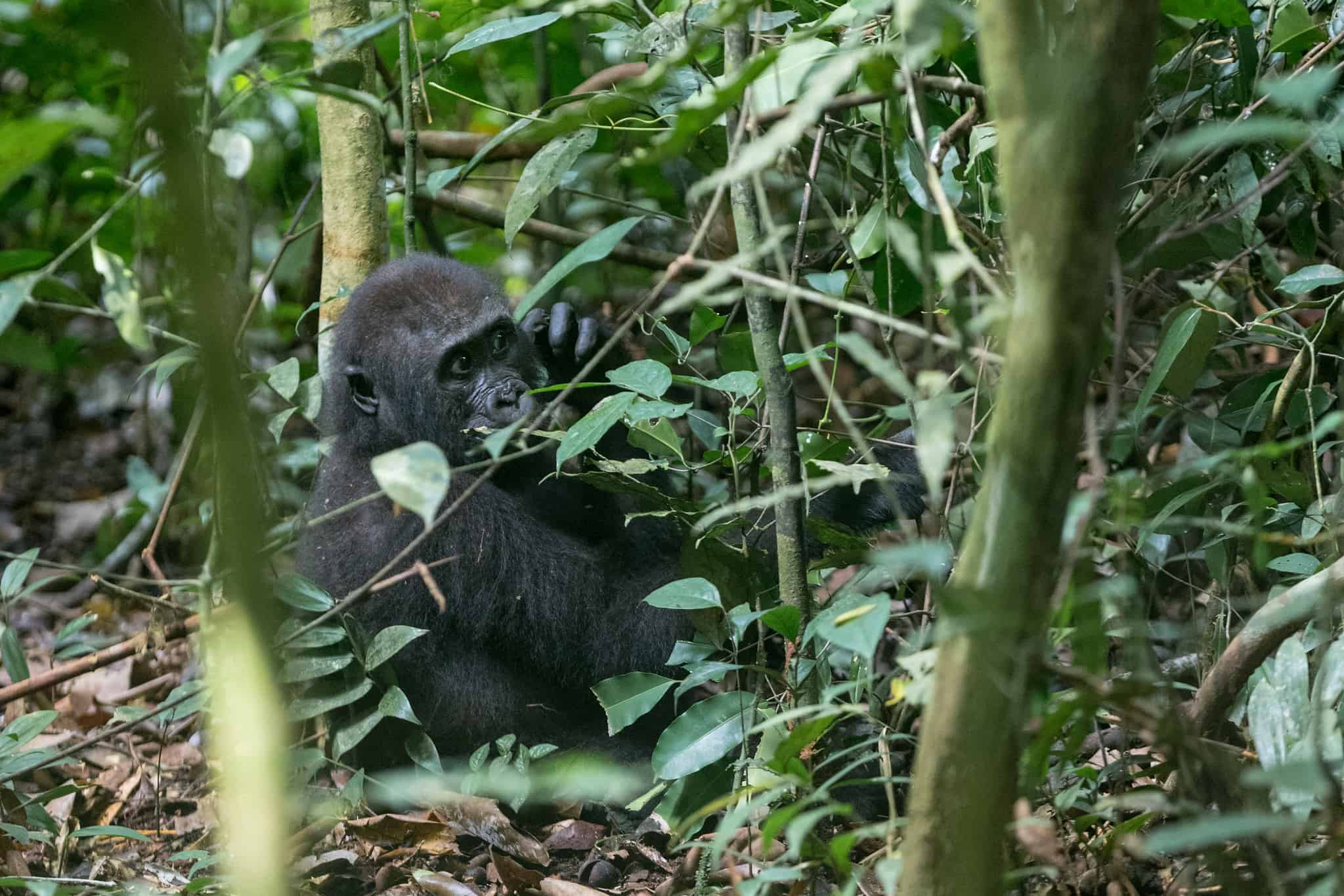
Yes, Cameroon is home to both western lowland and Cross River gorillas, though sightings are more challenging compared to countries like Uganda or Rwanda. Some eco-tourism initiatives offer guided treks, making it possible to see gorillas while supporting conservation.
Beyond safaris, visitors can hike through lush rainforests, explore waterfalls, go birdwatching, enjoy cultural experiences in local villages, and even cross the Mana suspension bridge in Korup National Park. The mix of adventure and culture makes Cameroon a versatile destination.
Most popular tourist areas and national parks are considered safe when visited with licensed guides or reputable tour operators. Like anywhere, travelers should stay updated on travel advisories, respect local customs, and use common sense precautions in cities.
Yes, guides are required in most national parks, both for safety and conservation reasons. Local trackers and rangers not only ensure your security but also enhance the experience by helping you spot wildlife and explaining the park’s ecosystems.