


- What is the best time to go on a safari in Kenya?
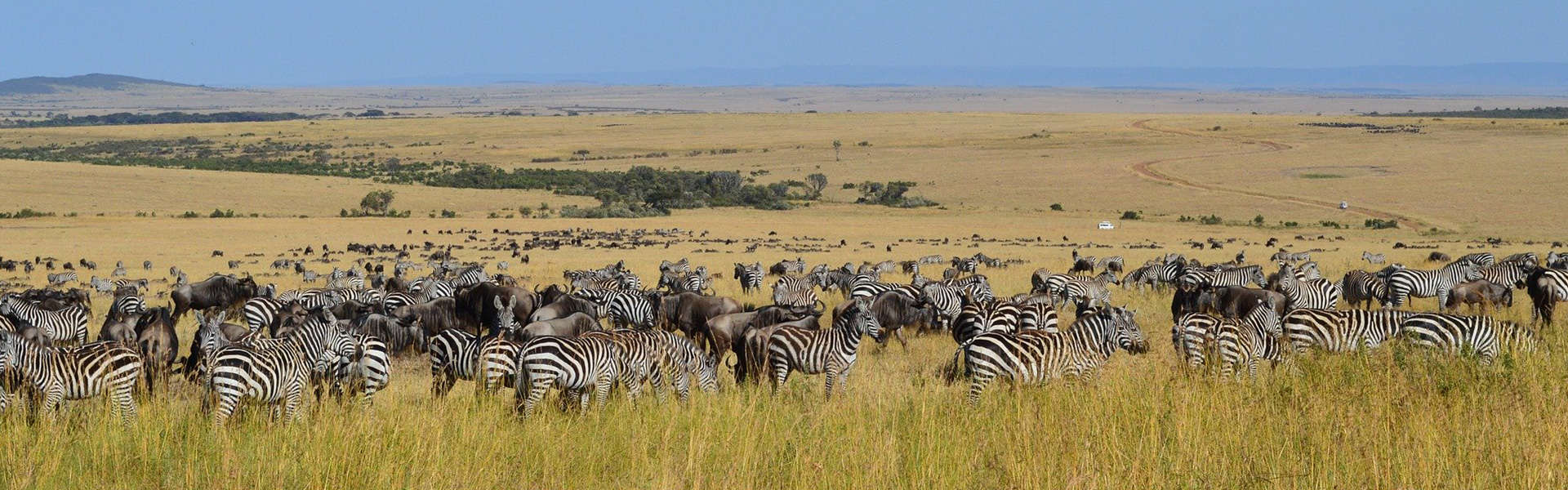
The best time to visit Kenya for a safari is during the dry seasons, from June to October and again from January to February. During these months, the vegetation is thinner, making it easier to spot wildlife as animals gather around rivers and waterholes. The June to October period also coincides with the Great Migration in the Maasai Mara, where millions of wildebeest and zebras cross from Tanzania’s Serengeti in search of greener pastures. The short dry season, from January to February, offers excellent game viewing with fewer crowds. While the wet seasons bring lush landscapes and newborn animals, they can make some areas harder to access.
- What types of Kenya safari packages are available?
Kenya safari packages are designed for all types of travellers, whether you’re seeking adventure, luxury, or affordability. You can choose from fly-in safaris to remote lodges, guided overland tours, family-friendly packages, or budget camping safaris that bring you close to nature. Activities include classic 4x4 game drives, walking safaris, night drives in private conservancies, and cultural interactions with Maasai or Samburu communities. Many packages also offer beach extensions to Kenya’s beautiful coast, where you can relax on Diani or Watamu beaches after your safari. With so many options, it’s easy to tailor a Kenya safari to your interests and travel style.
- What wildlife can I see on a Kenya safari?
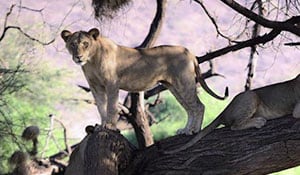
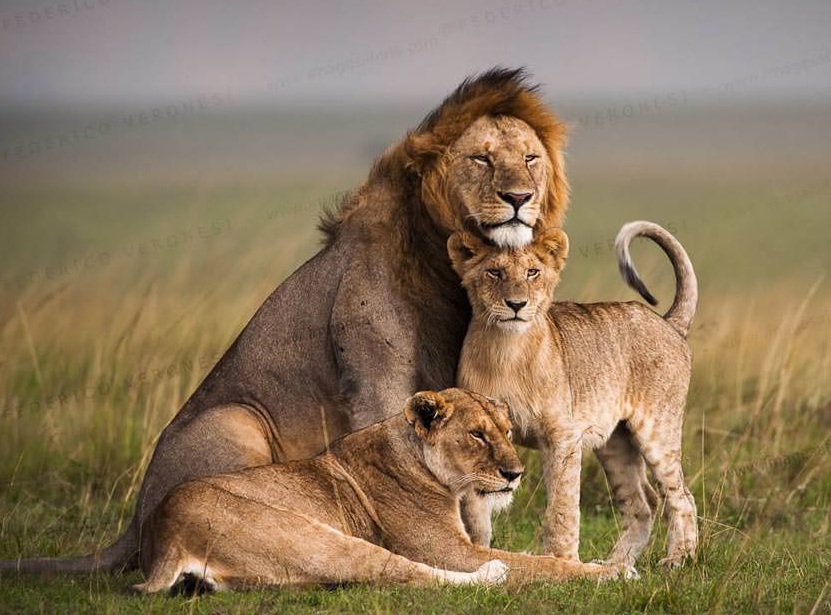
Kenya is home to an incredible variety of wildlife across its national parks and reserves. On a typical safari, you can see the Big Five—lion, elephant, buffalo, leopard, and rhino—as well as cheetahs, zebras, giraffes, wildebeest, hippos, and crocodiles. Birdwatchers will find more than 1,000 bird species, including flamingos that gather in the Rift Valley lakes. Each region offers something unique: the Maasai Mara is famous for predators and the Great Migration, Amboseli is known for elephants with Mount Kilimanjaro as a backdrop, and Samburu showcases rare northern species like the gerenuk and reticulated giraffe. Every safari drive brings new surprises.
- What are Kenya’s main safari destinations?
Kenya’s top safari destinations each offer distinct landscapes and wildlife experiences. The Maasai Mara is world-renowned for its predator action and the Great Migration, while Amboseli National Park is celebrated for its large elephant herds and views of Mount Kilimanjaro. Tsavo East and West, some of the largest parks in Kenya, offer wild, less-crowded adventures with diverse terrain. Lake Nakuru is a haven for rhinos and flamingos, and Samburu National Reserve provides unique desert wildlife and rich cultural experiences. Together, these destinations form the backbone of Kenya’s safari circuit, offering endless opportunities for exploration and discovery.
- How does Kenya’s geography enhance safari experiences?
Kenya’s geography is incredibly varied, giving travellers a chance to experience multiple ecosystems in one country. The Great Rift Valley cuts through the landscape, creating dramatic escarpments, lakes, and fertile plains teeming with wildlife. The highlands are cooler and lush, while the arid north features rugged terrain and desert-adapted species. Coastal regions provide a tropical contrast, with coral reefs and palm-fringed beaches perfect for post-safari relaxation. This diversity not only supports a huge range of animal and bird species but also ensures that every safari route feels fresh and different from the last.
- Can I combine safaris with other activities in Kenya?
Yes, Kenya offers a fantastic mix of safari and adventure experiences. After days of game drives, you can enjoy activities like hot air balloon safaris over the Maasai Mara, horseback riding on private conservancies, or kayaking and fishing at Rift Valley lakes. Cultural visits to Maasai, Samburu, or Turkana villages offer authentic insight into Kenya’s traditional heritage. For relaxation, many travellers extend their trip to the coast for beach stays in Diani, Malindi, or Lamu, where snorkeling, diving, and dhow cruises add a refreshing finale to a wildlife-filled holiday.
- Is Kenya suitable for first-time safari travellers?
Absolutely. Kenya is one of the best destinations for first-time safari travellers due to its excellent infrastructure, accessibility, and well-established tourism industry. Parks and lodges cater to all comfort levels, from luxury tented camps to mid-range lodges and affordable campsites. The country’s experienced guides ensure safe and informative wildlife encounters, and most itineraries can be easily customized. With short internal flights, scenic drives, and year-round wildlife, Kenya offers an ideal introduction to the magic of the African safari—combining adventure, comfort, and unforgettable moments in the wild.