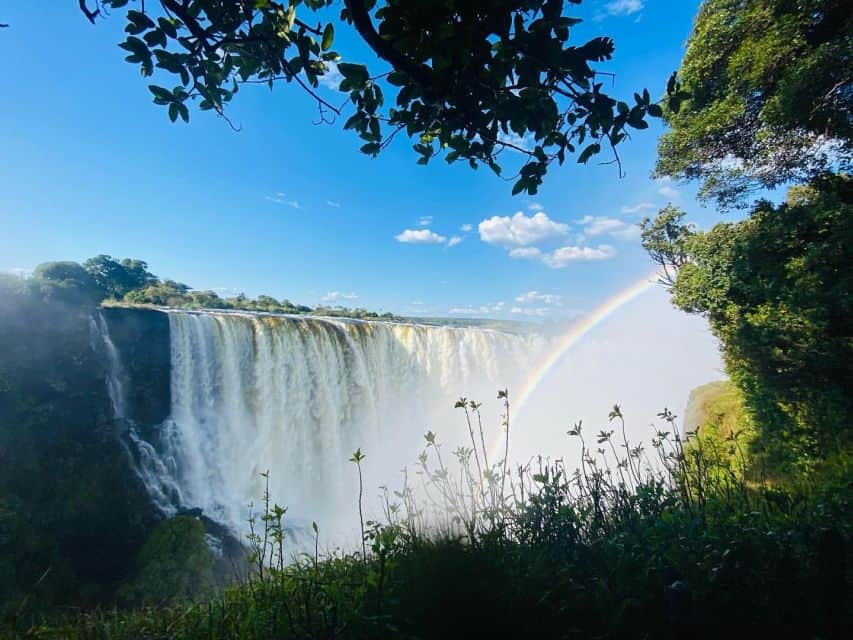
The iconic safari destination of Zimbabwe is home to one of Africa’s greatest marvels, the spectacular Victoria Falls (which it shares with Zambi), as well as renowned national parks and superb wildlife. The country is located north of the Tropic of Capricorn and is primarily a plateau located 1000-1500 meters above sea level. Zimbabwe’s location and topography have ensured a tempered climate throughout the country.
Zimbabwe has two seasons: hot rainy summers from November to February and cool and dry winters from June to October.
Generally, Zimbabwe follows regular climatic patterns that are only disrupted by tropical cyclones. So, when you are making your plans for Zimbabwe, remember to check the cyclone warnings.
Seasons in Zimbabwe
To give you an idea of what to expect during your trip to Zimbabwe, we are sharing Zimbabwe’s three primary seasons with average temperatures for Harare, the capital of Zimbabwe.
| Seasons | Months
| Average temperature Harare | |
| | Max avg temp | Min avg temp |
| Summer (Wet Season) | November to February | 26.5°C (79.7°F) | 16.5°C (61.7°F) |
| Autumn | March to May | 25.3°C (77.5°F) | |
| Winter (Dry Season) | June to October | 24.8°C (76.6°F) | 10.4°C (50.7°F) |
Data: World Climate Guide
Tropical cyclones in Zimbabwe
The climate in Zimbabwe can be affected by tropical cyclones originating in the Indian Ocean. These cyclones usually penetrate the mainland in the eastern region of Zimbabwe. By the time they reach the mainland, they lose strength. However, they still bring torrential rain and wind to Zimbabwe.
In the past decade, Zimbabwe has been hit with a few tropical cyclones.
- In February 2000, Leon-Eline hit Zimbabwe causing floods that damaged houses and crops.
- Three years later, in March 2003, tropical cyclone Japhet hit Zimbabwe again damaging houses and properties.
- Since then, Zimbabwe has also experienced the effects of tropical cyclones Dineo in 2017 and Idai in March 2019.
According to Africanews, Zimbabwe is likely to be hit with 6 more tropical cyclones in 2022. Remember to check for cyclone warnings before planning your trip to Zimbabwe.
Climate in Zimbabwe
The annual rainfall throughout Zimbabwe ranges from 550mm to 900mm. Since northern and eastern regions of Zimbabwe receive ample rainfall, they are considered the wettest regions of the country.
- Victoria Falls is located 1000 meters above sea level and therefore experiences a tempered climate. In winters, the temperatures may drop below 7°C.
- Kariba, like Victoria Falls, is also located in northwest Zimbabwe. It is located 500 meters above sea level and this altitude drop impacts the weather leading to a hotter climate.
- Harare, the capital of Zimbabwe, is located in the northeast 1500 meters above sea level. Like Victoria Falls, Harare also experiences a temperate climate with a warm and hot summer season and a dry winter season, with June to August experiencing cooler temperatures. During winters, the skies are clear, with the sun shining brightly. The nights, in contrast, can be freezing. The temperatures began to rise again in October and November. While it rains heavily between December to February, the winters are dry.
- Limpopo Valley in the south is considered the driest region, with an annual rainfall below 400 mm. In the south, the altitude drops to around 500-600 meters. As we have already established, low altitude equals higher temperatures. In the southern region, the temperatures can spike as high as 40°C.
June to August is typically a cool and pleasant time all over the country. But the temperature rises again between the middle of August to November. In November, the temperatures cool down a little when the rains arrive but the humidity increases.
Provided that there are no tropical storms headed for Zimbabwe, the best time to visit the country is during the dry winter season, from June to August. During this period, you’ll experience a pleasant and cool climate with no rain. Since the dry season can also bring along freezing nights, consider packing layers for your travels.