
- What are the top national parks to visit in Tanzania?
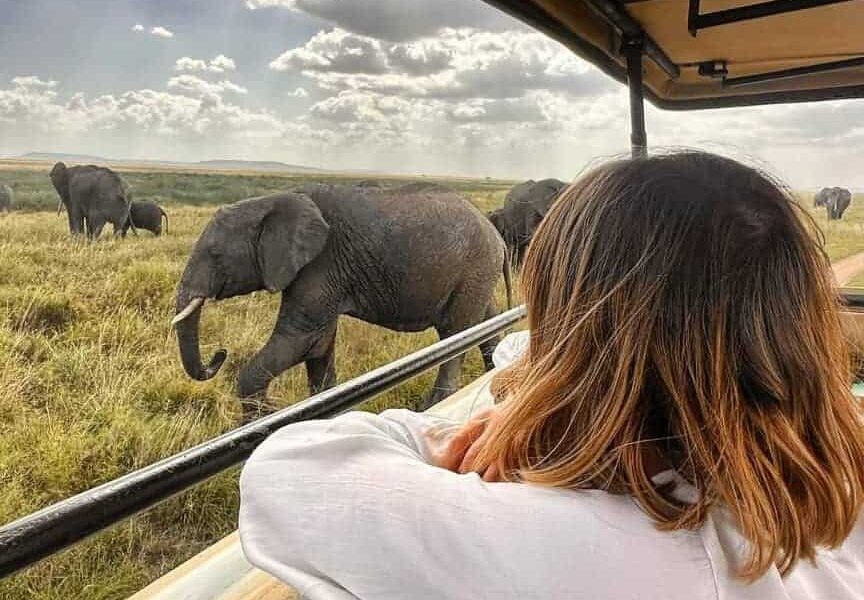
Tanzania’s safari circuit includes some of the most famous and diverse national parks in Africa. The Serengeti National Park is world-renowned for the Great Migration and abundant predators. The Ngorongoro Crater offers one of the best chances to see the Big Five in a single day, set against a stunning volcanic backdrop. Lake Manyara is known for its tree-climbing lions and flamingo-filled shores, while Tarangire delights visitors with giant baobabs and large elephant herds. In the south, Selous (now part of Nyerere National Park) and Ruaha offer remote, off-the-beaten-path adventures, and in the west, Gombe and Mahale Mountains provide unforgettable chimpanzee trekking experiences.
- When is the best time to go on a safari in Tanzania?
The best time for a safari in Tanzania is during the dry seasons, from June to October and January to February. During these months, wildlife is easier to spot as animals gather around water sources, and the open landscapes provide excellent visibility. June to October also coincides with the Great Migration in the Serengeti, where millions of wildebeest and zebras move northward in search of fresh grazing. The green season, from November to May, brings lush scenery, fewer tourists, and excellent birdwatching opportunities. Each season offers something special, depending on whether you prefer dramatic wildlife action or tranquil, scenic beauty.
- What wildlife can I expect to see in the Serengeti?
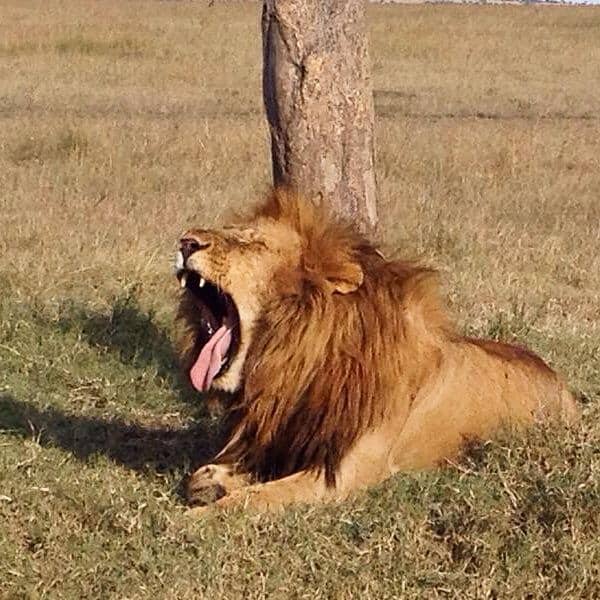
The Serengeti is home to one of the highest concentrations of wildlife on Earth. Visitors can see the Big Five, lion, leopard, elephant, buffalo, and rhino, alongside cheetahs, hyenas, giraffes, hippos, and countless antelope species. The park’s most famous event is the Great Migration, when over 1.5 million wildebeest, zebras, and gazelles move across the plains in a cycle of life, birth, and survival. Predators follow closely, creating dramatic encounters that define the African safari experience. The Serengeti’s sheer size and diversity make it a year-round wildlife wonderland, offering something spectacular in every season.
- Can I climb Mount Kilimanjaro and see wildlife?
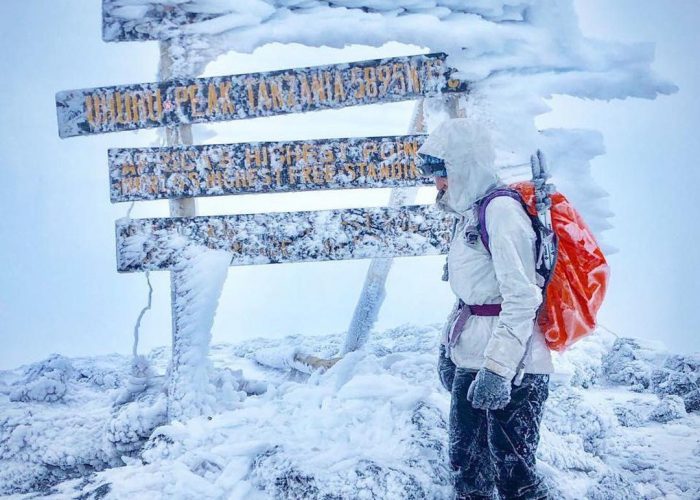
Yes, Mount Kilimanjaro is one of Africa’s most iconic adventures and can easily be combined with a wildlife safari. The mountain features five distinct ecological zones, ranging from lush tropical rainforest to alpine desert and glacier-covered peaks. While the higher slopes are largely barren, the lower forested areas are home to monkeys, bush pigs, antelope, and a variety of bird species. Climbers may also spot blue monkeys, colobus monkeys, or even the occasional leopard on the lower trails. Combining a Kilimanjaro trek with a safari in the nearby Serengeti or Ngorongoro Crater makes for the ultimate Tanzania experience.
- What is unique about Tanzania’s southern safari circuit?
Tanzania’s southern safari circuit offers a more remote and exclusive experience compared to the popular northern parks. Nyerere National Park (formerly Selous Game Reserve) is one of Africa’s largest protected areas and is famous for its boat safaris along the Rufiji River, where you can see hippos, crocodiles, and elephants up close. Ruaha National Park is known for its rugged terrain, large elephant herds, and high predator densities, including lions and wild dogs. These southern parks receive fewer visitors, making them perfect for travellers seeking solitude, adventure, and untouched wilderness.
- Where can I go chimpanzee trekking in Tanzania?
Chimpanzee trekking in Tanzania is an unforgettable experience, best enjoyed in the western part of the country. Gombe Stream National Park, made famous by Jane Goodall’s research, offers close encounters with habituated chimpanzee groups in their natural rainforest habitat. Mahale Mountains National Park, located on the shores of Lake Tanganyika, provides an even more remote and scenic experience, combining trekking with pristine beaches and crystal-clear waters. Both parks are accessible mainly by boat or light aircraft, adding to their sense of exclusivity and adventure.
- Are there beach destinations in Tanzania to visit after a safari?
Yes, Tanzania is blessed with some of the most beautiful beaches in Africa, making it ideal for a relaxing post-safari escape. The islands of Zanzibar, Pemba, and Mafia offer powdery white sands, turquoise waters, and vibrant coral reefs perfect for snorkeling and diving. Zanzibar combines historical charm with luxury beach resorts, while Pemba and Mafia are quieter and ideal for travellers seeking peace and unspoiled nature. A beach stay after your safari provides the perfect way to unwind and reflect on your wildlife adventures under the tropical sun.