Overview
Landlocked by the larger countries of Tanzania, Zambia and Mozambique, Malawi boasts a wide variety of landscapes—including plains, mountains, forests, and river valleys—making it a hidden gem for those seeking the best safaris in Malawi. Despite its relatively small land mass for an African country, Malawi has a large number of national parks and open spaces, making it an ideal destination for a safari holiday. You have the option of choosing between walking or horseback Malawi safari experiences, 4×4 tours, or even designing a bespoke Malawi safari plan to suit your interests. Unlike many of Africa’s more well-known national parks and safari package destinations, those found in Malawi tend to be less touristy and unspoilt. The Big Five can be seen in Malawi, as well as a large number of other species.
Of the nine national parks, the largest and oldest is Nyika National Park found in the north of the country where buffalo, zebra and leopard can be spotted amidst its diverse vegetation and landscapes. In the west of the country is Kasungu National Park, home to crocodiles, hippos, zebras and lions. The most popular national park for Malawi safaris—and often featured in Malawi luxury safari itineraries is Liwonde National Park, in the south of the country, home to a huge number of species including elephant, lion and rhino. Apart from the Malawi wildlife, this place is also a popular bird watching destination thanks to the sheer number of species including fish eagle, kingfisher, pelican and flamingo. Malawi safari tours typically include visits to multiple parks to maximize wildlife viewing opportunities.
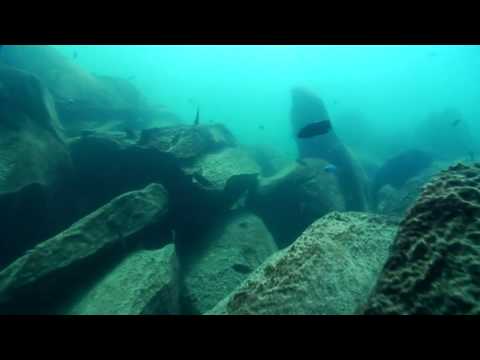
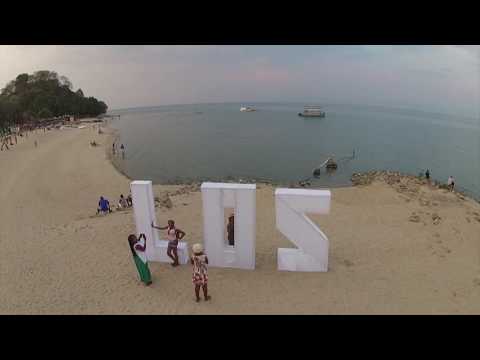
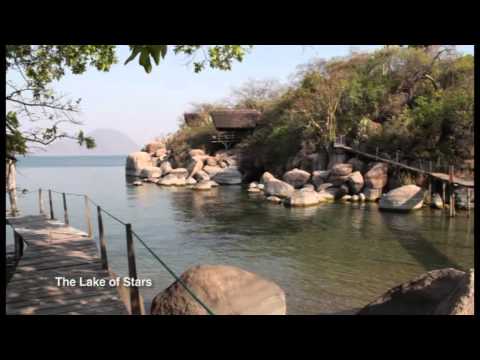
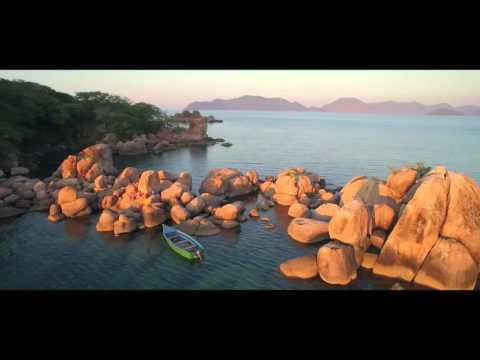
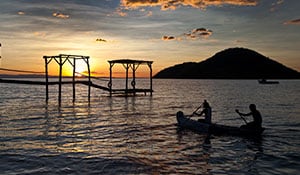
Some of the best safaris in Malawi include visits to two UNESCO-protected areas; Chongini Rock Art Area in Central Malawi, with paintings dating as far back as the Late Stone Age and Iron Age periods, and Lake Malawi National Park with its protected fish and aquatic species. The country’s biggest annual music event, the Lake of Stars Festival, takes place in late September on the shores of Lake Malawi.
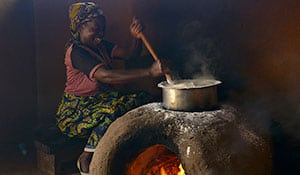
Although Malawi’s 14 million strong population live mostly in traditional rural villages, incorporating cultural experiences into your Malawi safari plan adds rich perspective to your journey. the cities are still a good place to find out more about Malawian culture. The capital Lilongwe is a small and manageable city split into two parts, the Old Town and the Capital City. The highlight of a visit to Lilongwe is the bustling daily market, the largest in the country. More can be discovered about both the land and the human history of Malawi at the Cultural & Museum Centre of Karonga and the Museum of Malawi.
FAQ – Safari in Malawi
Malawi offers diverse landscapes, rich wildlife including the Big Five, and less touristy parks, making it ideal for intimate safari experiences like walking, 4×4, and horseback tours.
Top parks include Nyika National Park in the north, Kasungu in the west, and Liwonde in the south, each offering chances to see elephants, lions, zebras, hippos, and rare bird species.
Yes, Malawi is home to the Big Five—lion, leopard, elephant, rhino, and buffalo, especially in
national parks like Liwonde and Majete, offering excellent wildlife encounters.
Yes, Malawi’s safari destinations are typically less touristy, offering a more authentic, peaceful, and unspoilt safari experience compared to more commercial African parks.
Visitors can explore Malawi's rural villages, bustling markets, and museums like the Cultural & Museum Centre of Karonga to gain insight into the country's rich traditions and history.
Malawi has two: Lake Malawi National Park, known for unique fish species, and Chongoni Rock Art Area, featuring ancient rock paintings from the Stone and Iron Ages.
The dry season from May to October is ideal for safaris. September is also great if you want to attend the Lake of Stars Festival on the shores of Lake Malawi.