Overview
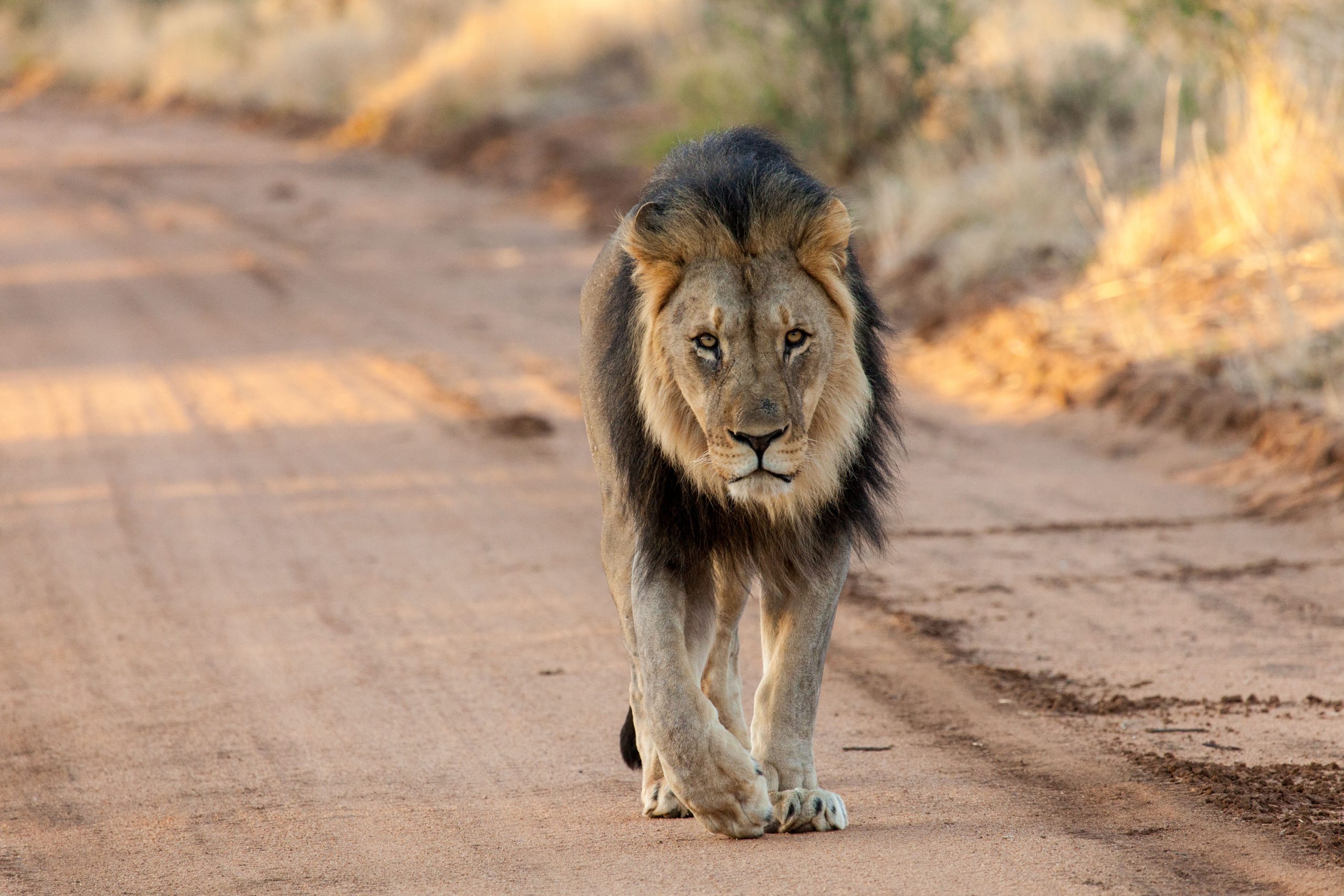
Situated in south west Africa, Namibia is bordered by South Africa, Botswana, Angola, Zambia and the Atlantic Ocean. This remarkable country is packed with safari gems and huge contrasts in its 11 national parks, ranging from the incredible red dunes of the Namib Desert and breathtaking Fish River Canyon to the white salt pans shimmering in Etosha National Pan and the sprawling coastline of the Skeleton Coast. Home to an abundant and diverse wildlife population including unique desert-adapted species it also boasts a large cheetah population.
At the heart of Etosha National Park lies Etosha pan. Meaning ‘great white area’, Etosha formed part of a huge, shallow lake until two million years ago when it dried up after the major river that fed it changed course. Despite its dryness, this area has an abundance of wildlife which gather around waterholes, the perfect place for incredible game sightings. Home to lion, elephant, black rhino and giraffe, it is also the ideal breeding ground for flamingos. Visitors on a Namibia safari can enjoy leisurely game safaris, boma dinners under the stars, night watches at waterholes and much more.
The Namib Desert, stretching for 1,570 km along the Atlantic coast, is one of the oldest deserts in the world. Sossusvlei is the most accessible part of the Namib, an area known for its magnificent, ochre-coloured dunes, some of highest in the world, which turn stunning colours as the sun rises and sets. A safari around Sossusvlei is a must, either drive yourselves or join a tour. Look out for gemsbok, mountain zebra, springbok and ostrich here and climb up the dunes for incredible views. Other activities include quad biking, sandboarding, 4×4 safaris and hot air balloon trips.
One of the most scenic wilderness areas of Namibia, Damaraland, is a place of vast open plains, dry river beds and massive granite koppies. Highlights of this area include Namibia’s highest mountain, Brandberg, a massif of pink granite that originated inside a volcano; Twyfelfontein, a fascinating rocky outcrop with thousands of bushman engravings; and Spitzkoppe, a group of peaks which are over 120 million years old. Incredibly a number of desert-adapted wildlife have made this desolate landscape their home, including elephant and black rhino – going on a tracking safari is an experience of a lifetime with the chance to get close to these endangered animals.
The longest river in Namibia at 650 km, the Fish River meanders through Fish River Canyon near the end of its course. One of the natural wonders of Africa and the second largest canyon in the world, this spot has become a popular hiking destination. The hike is 86 km in length, takes about five days and leads to Ai-Ais Hot Springs spa. Easier hikes are also offered in adjacent parks. Keep your eyes peeled for mountain zebra, kudu, steenbok, rock dassie and baboon.
FAQ - Safari in Namibia
Namibia offers a rare mix of dramatic landscapes and abundant wildlife. From the towering red
dunes of Sossusvlei to the wildlife-rich Etosha National Park, it’s one of the few places where
you can see desert-adapted elephants, black rhinos, and cheetahs in their natural habitat. The
sense of space and remoteness makes it unlike any other African safari destination.
The best time to visit Namibia is during the dry season, from May to October, when wildlife is
easier to spot around waterholes and the weather is cooler. If you prefer dramatic skies and
fewer crowds, the green season (November to April) can be equally rewarding, especially for
birdwatching and photography.
Yes, Namibia is considered one of the safest countries in Africa for travelers. Roads are
generally good, people are welcoming, and the tourism infrastructure is well-developed. As
with any trip, it’s wise to take normal precautions such as safeguarding valuables and following
local travel advice.
Absolutely—self-driving is one of the best ways to explore Namibia’s vast landscapes. The
country has excellent road networks, and popular spots like Etosha, Sossusvlei, and Damaraland
are accessible by car. However, guided tours are recommended if you’d prefer expert insights
or plan to visit more remote areas.
Namibia is home to an impressive variety of wildlife including lions, elephants, giraffes, and
cheetahs. You’ll also encounter unique desert-adapted species in Damaraland and the Skeleton
Coast. Etosha’s waterholes provide some of the best opportunities for close-up wildlife viewing
in Southern Africa.
While no mandatory vaccinations are required for most travelers, it’s advisable to be up-to-
date on routine immunizations like tetanus and hepatitis A. Some northern areas of Namibia
are malaria zones, so preventive medication may be recommended. Always check with your
doctor before travel for personalized advice.
Key highlights include watching sunrise over the Sossusvlei dunes, wildlife safaris in Etosha
National Park, exploring ancient rock art at Twyfelfontein, and hiking through Fish River
Canyon. For something truly memorable, try a hot air balloon ride over the Namib Desert or a
tracking safari with desert-adapted elephants.