




India is one of the most incredible safari destinations on the planet with a huge variety of attractions, from snow-capped mountains to steamy jungles. India is also known for its fabulous diversity, spirituality, cuisine and wildlife. The combination of which makes this a most remarkable country to travel in.
Being a tropical country, India has several climates, ranging from tropical monsoons in the western ghats to tropical wet & dry climate in central and south India. Most of the north and north-east regions exhibit a humid subtropical climate. The Himalayas and other northern mountains have a cold desert type climate, which is influenced by several factors, including the vast mountain ranges.
We have put together temperature data on New Delhi, the capital of India. It gives you an idea of how temperatures change over the months.
| Months | High Temp (°C) | High Temp (°F) | Low Temp (°C) | Low Temp (°F) |
|---|---|---|---|---|
| January | 20.8 | 69.4 | 7.6 | 45.7 |
| February | 23.6 | 74.5 | 10.2 | 50.4 |
| March | 29.2 | 84.6 | 15.3 | 59.5 |
| April | 36 | 96.8 | 21.3 | 70.3 |
| May | 39.5 | 103.1 | 25.9 | 78.6 |
| June | 39 | 102.2 | 27.9 | 82.2 |
| July | 34.9 | 94.8 | 27 | 80.6 |
| August | 33.6 | 92.5 | 26.4 | 79.5 |
| September | 34.1 | 93.4 | 24.8 | 76.6 |
| October | 32.9 | 91.2 | 19.4 | 66.9 |
| November | 28.2 | 82.8 | 13 | 55.4 |
| December | 22.9 | 73.2 | 8.4 | 47.1 |
The northern region of India experiences a short spring at the beginning of March. Other parts of the country experience relief from the departing winter cold. During March the daylight lasts for at least 12 hours, which is characterised by bright skies that last the whole summer.
April marks the start of a hot and dry summer. Gradually, the heat builds as the month ends.
May is the hottest month in India. The temperatures run as high as 29.4 °C (84.9 °F) to 42.2 °C(108°F) and heat-waves are a common occurrence before the end of the summers. The summers are also a peak tourist season in India with the wildlife reserves getting the most footfall.
The first or second week of June marks the arrival of monsoon for most of India. Even with the onset of the rains the heat persists and the weather turns hot, humid and wet. Northern India receives moderate rainfall and is therefore perfect for trips to the Leh and Ladakh regions.
July brings a torrent of rainfall all over the country. During this period, the Western Ghat attracts visitors from every part of the country and world. The gushing streams and multitude of waterfalls, paired with the green landscape and fresh soil fragrance, make it a place worth visiting.
The wet weather continues into August, with days of rain, clouds and storms blocking out the sun. There are the odd breaks in the clouds, with brief glimpses of rainbows set against a backdrop of dark and moody rain-laden monsoon clouds.
By November, the rainfall departs bringing clear skies for the majority of the country and with them pleasantly temperate weather. The fantastic and delightful local festivals happen all over the country, as if in celebration of this change in seasons. The southern islands and Chennai, however, usually experience a northeast monsoon during November, which ceases by December. December is a cold month, with different regions experiencing different levels of cold. Snowfall in the Himalayas, Jammu & Kashmir, and Uttarakhand attracts visitors.
Snowfall can continue into January and is followed by a cold and dry February when the temperatures slowly begin to rise, except for Himalayan states and a few other northern regions that receive heavy snowfall in winter. January through to March is a great time to plan a Snow Leopard safari.
October to March is considered the best time to visit India and although they are considered the winter months the weather is still pleasant. In winter, you can still visit beaches and desert states, such as Tamilnadu, Kerala, and Rajasthan.
During the monsoons, you can check out the north of the country and the Himalayas, Himachal Pradesh, and Leh Ladakh if you are happy to deal with the wet weather it is a good time to head to the beaches in Karnataka where you are sure to pick up some great discounts.
In summer when the temperatures become too much you can visit the hill stations and national parks in the mountainous areas. The higher altitude ensures cooler weather for travellers.
You must be logged in to submit a review.
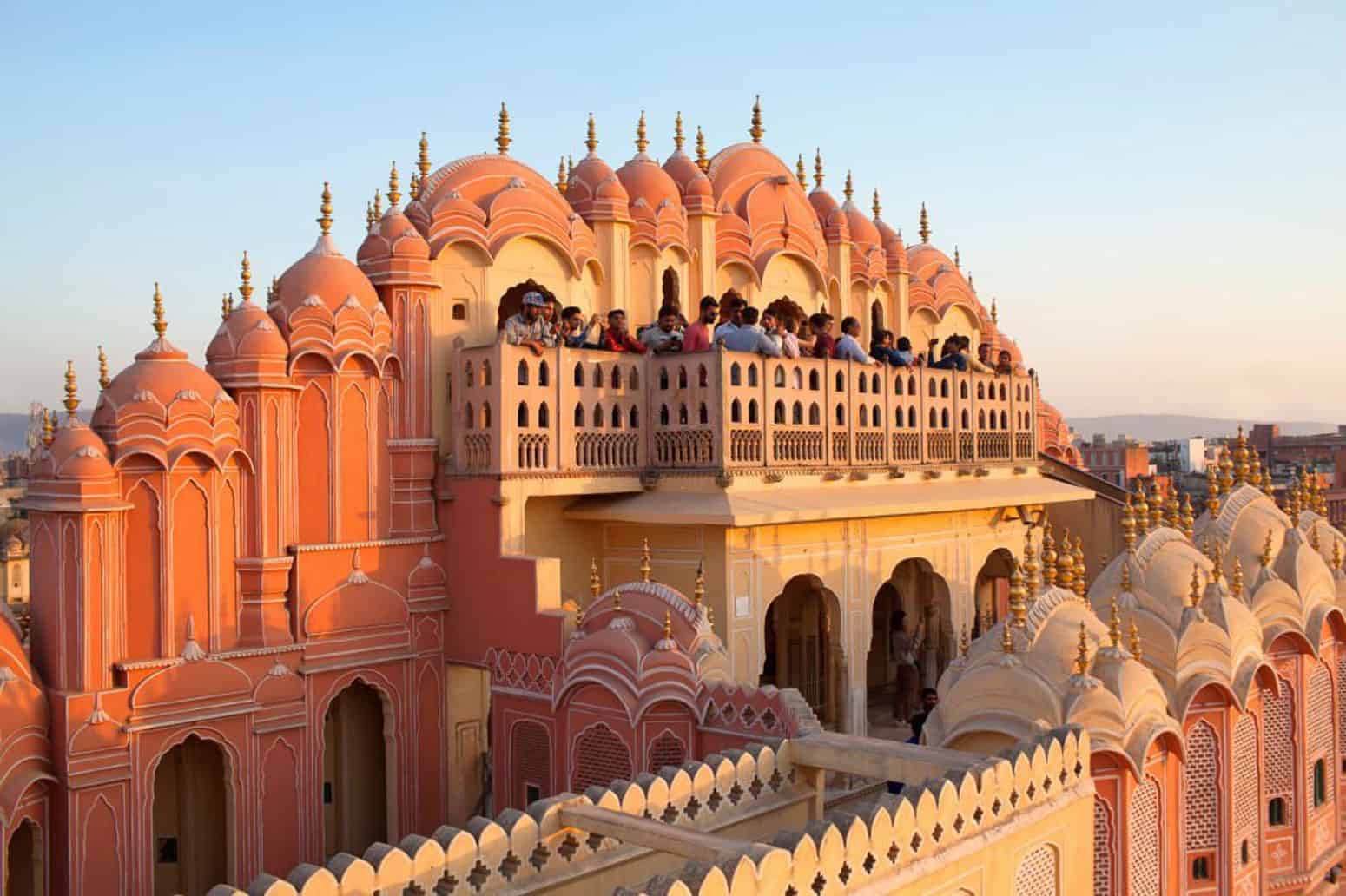
For nature and wildlife enthusiasts, combining the Golden Triangle Tour with a Ranthambore Tiger Safari offers an exhilarating and unique

This safari takes you in search of India’s elusive Bengal tiger in Ranthambore, Kanha and Bandhavgarh National Parks, as well

This 8-night safari takes you to Delhi, Agra, Bharatpur Ghana Bird Sanctuary, Ranthambore Tiger Reserve and Jaipur with a stop
Vietnam is a beautiful country with a multitude of unforgettable adventures waiting to be experienced. The fast paced mega-cities are teeming with life and activity which contrasts with the raw natural beauty in the wild jungles and rugged coast lines. Layered on top are complex and ancient cultural influences, from...
China is home to both the world’s oldest living civilization and the world’s largest human population. The Great Wall of China, temple-topped mountain sides and sprawling rice terraces are just some of the wonders to behold. With a whopping 65 cities to choose from, a traveller could spend years touring...
Mongolia is a landlocked country in East Asia, located between Russia and China. With only around 3 million inhabitants, this large country has one of the lowest average population densities in the world. Mongolia’s landscape is relatively untouched, consisting of deserts and semi deserts, as well as forested mountain ranges...

JOIN to get fantastic deals, leave reviews and be part of our safari community.

JOIN our safari community to connect with travellers looking for wildlife experiences. Display your best trips and get direct referrals from SafariDeal.com
Please read our collaboration agreement for travel and itinarary partners on the SafariDeal platform.