


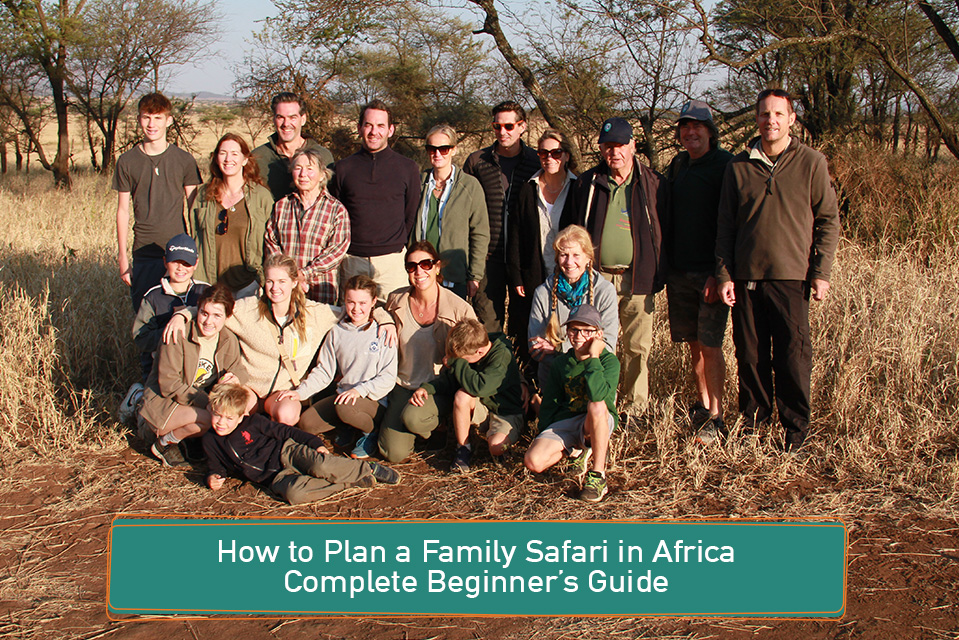
Planning a family safari in Africa can feel like a lot at first.
There are countries to choose from, parks to compare, lodges with different child policies, flight routes, health advice, budgets and questions about how much your children will actually enjoy being in a vehicle at sunrise.
The best place to start is not with a map. It is with your family. How old are your children? How adventurous are they? Do they cope well with early mornings? Would they enjoy a simple tented camp, or do you need a lodge with a pool, flexible meals and space to rest between game drives? A good family safari is not about doing everything. It is about choosing the right pace, the right destination and the right kind of experience for the people travelling.
This guide explains how to plan a family safari in Africa, including the best countries, activities, time of year, costs, lodges, travel logistics and the small details that can make the trip easier.
What makes a good family safari?
When planning a family safari in Africa, you will need to consider a safari that gives children enough wildlife, comfort and downtime.
Safari days usually start early. You might wake before sunrise, pull on a fleece, have a quick cup of tea or hot chocolate, then head out with your guide while the air is still cool. This is often when animals are moving. Lions may still be active from the night before. Elephants might be heading towards water. Giraffes feed quietly among the trees.
By late morning, you are usually back at camp for breakfast or brunch. The middle of the day is slower. Children can swim, rest, read, look through photos or watch birds and antelope from the lodge deck.
In the afternoon, you head out again for another game drive. The light softens, the bush cools down and animals begin to move. Dinner is often early for families, especially with younger children.
That daily rhythm is important. Safari is exciting, but it can also be tiring. Long transfers, hot afternoons, bumpy tracks and early starts can wear children out.
The best family safaris build in breathing space. For most families, this means staying longer in fewer places, choosing family-friendly lodges and avoiding an itinerary that moves every night.
Which African safari is best for families?
The best African safari for families depends on your children’s ages, your budget, your travel style and how much comfort you want. For first-time family safari travellers, these are the strongest options.
South Africa: best for first-time family safaris
South Africa is often the easiest country for a first family safari.
It has good flight connections, a wide range of lodges, strong tourism infrastructure and several malaria-free safari areas. This makes it especially useful for families with younger children or anyone nervous about planning their first safari.
Eastern Cape and Madikwe are popular malaria-free options. The Greater Kruger area offers excellent wildlife viewing, including private reserves with experienced guides and family-friendly lodges.
South Africa also combines well with Cape Town, the Garden Route, the Winelands or the coast. This works well if you want a safari, but not a whole holiday built only around game drives.
Best for: first-time safari families, younger children, malaria-free options, luxury travellers, multi-stop holidays.
Safari ideas: South Africa family safaris.
Kenya: best for classic wildlife and open savannah
Kenya is a strong choice for families who want a classic safari feel.
The Masai Mara is known for open plains, big cat sightings and seasonal migration movement. Private conservancies around the Mara can be especially good for families, as they often offer fewer vehicles, strong guiding and a more flexible safari experience.
Kenya also has good options beyond the Mara, including Amboseli, Laikipia and Samburu. These areas offer different landscapes, wildlife and cultural context.
Some drives can be long, so it is worth thinking carefully about transfers and how many places you include. Older children and teenagers often enjoy Kenya because there is plenty of wildlife activity and a good mix of landscapes.
Best for: classic safari, big cats, photographers, older children, first-time safari travellers.
Safari ideas: Kenya family safaris.
Tanzania: best for big landscapes and varied safari routes
Tanzania works well for families who want a deeper safari experience.
The northern safari circuit is the most popular route, often including Tarangire, Lake Manyara, Ngorongoro Crater and the Serengeti. Each area feels different. Tarangire has elephants and baobabs. Ngorongoro offers dense wildlife viewing in a dramatic crater setting. The Serengeti gives you space, big skies and seasonal migration movement.
Tanzania can involve more travelling between areas, so it may suit families with older children or those happy to spend time on the road. Flying between some points can reduce travel time, but it increases the budget.
Tanzania also combines easily with Zanzibar, which can be a good way to end a family safari with a few slower days by the sea.
Best for: wildlife-focused families, photographers, safari and beach trips, older children, migration safaris.
Safari ideas: Tanzania family safaris.
Botswana: best for quieter, wildlife-rich safaris
Botswana offers some of Africa’s finest wildlife viewing, especially in the Okavango Delta, Chobe and the Linyanti region.
It is often more expensive than other safari destinations, partly because many camps are remote and reached by light aircraft. Some camps also have minimum age limits, especially where water activities or walking safaris are involved.
For families with older children, Botswana can be excellent. The experience is quieter, more remote and often less crowded than busier safari areas. Activities may include game drives, boat safaris and mokoro trips, depending on the camp and season.
Best for: luxury families, older children, quieter safaris, strong wildlife viewing, water-based safari.
Safari ideas: Botswana family safaris.
Namibia: best for adventurous families and self-drive trips
Namibia is different from a traditional Big Five safari destination.
It is known for desert scenery, wide open roads, dramatic dunes, rugged coastlines and desert-adapted wildlife. Families who enjoy road trips, photography and big landscapes often love Namibia.
Wildlife viewing in places like Etosha can be very rewarding, especially around waterholes in the dry season. Namibia can also work well for budget-conscious families because self-drive trips are more common than in many other safari destinations.
Distances are long, so you need to plan carefully. This is not the right choice if your children dislike long drives.
Best for: adventurous families, self-drive travellers, photographers, landscapes, older children.
Safari ideas: Namibia family safaris.
Uganda: best for older children and active families
Uganda is a good choice for families who want more than vehicle-based game drives.
It offers wildlife safaris, boat trips, chimpanzee tracking and, for older children who meet age requirements, gorilla trekking. The landscapes are green, varied and often more intimate than the wide-open plains of East Africa.
Uganda is better suited to families with older children or teenagers, especially if you want to include primate experiences. Travel between parks can involve long drives, so it works best for families who are comfortable with a more active itinerary.
Best for: teenagers, adventurous families, primates, birding, varied landscapes.
Safari ideas: Uganda family safaris.
Which country is best to visit in Africa with family?
For many first-time families, South Africa is the easiest place to start because of its malaria-free safari areas, strong infrastructure and good family lodges.
Kenya and Tanzania are excellent if your priority is classic wildlife viewing and open savannah. Botswana is better for a quieter, more exclusive safari with older children. Namibia suits adventurous families who enjoy road trips and scenery. Uganda is ideal for active families with older children who want primates and varied landscapes.
There is no single best country for every family. The right choice depends on your children’s ages, your budget, your preferred travel style and how much moving around you want to do.
| Country | Best for | Family suitability | Budget level |
|---|---|---|---|
| South Africa | First-time safaris, malaria-free options | Excellent | Budget to luxury |
| Kenya | Classic wildlife, big cats, savannah | Excellent | Mid-range to luxury |
| Tanzania | Serengeti, Ngorongoro, safari and beach | Very good | Mid-range to luxury |
| Botswana | Quiet, remote wildlife safaris | Best for older children | Luxury |
| Namibia | Road trips, scenery, self-drive | Good for older children | Budget to luxury |
| Uganda | Primates, active safaris, varied landscapes | Best for older children | Mid-range to luxury |
Best safari activities for families
Game drives are the main activity on most family safaris, but they are not the only option. The best family safari itineraries usually include a mix of wildlife, downtime and one or two different experiences to keep children engaged.
- Morning and afternoon game drives
- Junior ranger activities
- Boat safaris
- Walking safaris
- Cultural and community visits
- Photography
- Beach or city add-ons
- South Africa
- Kenya
- Tanzania
- Botswana
- Namibia
- Uganda
- Budget-conscious family safari
- Mid-range family safari
- Luxury family safari
- What affects the cost?
- Choosing family-friendly safari lodges and camps
Morning and afternoon game drives
Most safari days include two game drives. The morning drive often starts before sunrise, when the bush is cool and animals are active. The afternoon drive usually ends around sunset.
For younger children, ask whether shorter drives are possible. Some lodges are flexible. Others operate fixed shared drives of three to four hours.
A private vehicle can be worth considering for families. It gives you more control over timing, stops and how long you stay at sightings.
Junior ranger activities
Some lodges offer child-focused activities such as spoor tracking, nature walks near camp, birding, bug hunts, animal identification and conservation activities.
These can be especially useful during the middle of the day when adults may want to rest and children still have energy.
Boat safaris
Boat safaris are a good way to change the pace. They are common in places such as Botswana, Zambia, Uganda, Zimbabwe and parts of Tanzania.
From the water, children may see hippos, crocodiles, elephants, fish eagles and animals coming to drink. Boat safaris can also be easier than long vehicle drives for some families.
Walking safaris
Walking safaris are usually better for older children and teenagers. Many camps have strict minimum ages for safety reasons.
A walk changes how you experience the bush. Instead of focusing only on big animals, you notice tracks, insects, plants, bones, birds and the small signs guides use to read the landscape.
Cultural and community visits
Cultural visits can be valuable when they are handled respectfully and not treated as a performance.
Families may visit local communities, schools, craft projects, markets or conservation initiatives. These experiences work best when they are properly explained by a guide and connected to the place you are visiting.
Photography
For photographers, safari is all about patience and light.
Early mornings and late afternoons are usually best. A private vehicle helps if photography is a priority because you can wait longer, move less and avoid rushing between sightings.
Children often enjoy photography too. Even a small camera or pair of binoculars can help them focus on details rather than asking when the next lion will appear.
Beach or city add-ons
Many families combine safari with a few days somewhere slower.
Popular options include Cape Town, Zanzibar, the Kenyan coast, Victoria Falls or the Garden Route. This can work well after several days of early starts.
Safari ideas: Safari and beach holiday itineraries.
Best time of year for a family safari in Africa
The best time for a family safari depends on where you go and what matters most to you.
As a simple rule, dry seasons are usually best for wildlife viewing. Animals gather around water, vegetation is thinner and sightings can be easier. These months are also busier and more expensive.
Green seasons are quieter and often better value. The landscapes are greener, birding can be excellent and there may be young animals around. The trade-off is that wildlife can be more spread out and some roads may be harder after rain.
There is a distinction between dry, wet and shoulder seasons, in that that dry season is usually strongest for first-time wildlife viewing, while green season can offer fewer visitors, better value and good birding.
South Africa
South Africa can work well year-round, although May to September is often excellent for wildlife viewing in the Greater Kruger area. The Eastern Cape and malaria-free reserves are also popular during school holidays.
Kenya
June to October is a popular period, especially for the Masai Mara. January to March can also be good, with warmer weather and strong wildlife viewing in many areas.
Tanzania
June to October is a strong dry-season period. January to March can be good in the southern Serengeti and Ndutu area, especially for calving season. April and May are wetter, and some camps may close.
Botswana
May to October is usually the main safari season, with excellent wildlife viewing as the dry season progresses. The Okavango Delta’s water levels are often highest during the dry months, which can surprise first-time visitors.
Namibia
May to October is generally best for wildlife viewing, especially in Etosha. Days are dry and clear, but mornings and evenings can be cold.
Uganda
Uganda can be visited year-round, but drier months such as June to September and December to February are often preferred for trekking and wildlife viewing.
How far in advance should I plan an African safari?
For peak family travel dates, plan your African safari 12 to 18 months in advance. This is especially important if you are travelling during school holidays, want family rooms, need a private vehicle, or have specific lodges in mind.
A realistic guide is:
- 12 to 18 months ahead: best for July, August, Christmas, Easter, migration areas and popular family lodges.
- 6 to 9 months ahead: possible if you are flexible with destination, dates and accommodation.
- 3 to 6 months ahead: still possible, but choice may be limited.
- Less than 3 months ahead: works best for flexible travellers or lower-demand seasons.
SafariDeal recommends a longer booking timeline for peak season, major wildlife events, top private reserves, families and larger groups, which is worth reflecting in the SafariDeal article because it directly supports the booking-intent keyword.
Family rooms and child-friendly camps are limited. Booking early is not about creating pressure. It simply gives you better options.
How much does a family safari cost in Africa?
A family safari in Africa can vary widely in price. Costs depend on the country, season, lodge style, park fees, transport, number of travellers, private guiding and whether you include internal flights.
As a general guide:
Budget-conscious family safari
A more affordable safari may use simple lodges, guesthouses, overland transfers or self-drive options. South Africa and Namibia can often work well for this style of trip. This can suit families who care more about wildlife and experience than high-end accommodation.
Example budget safari price range
As a rough guide, a budget-conscious family safari can start from around US$150 to US$350 per person per day, depending on the country, season and accommodation style. South Africa and Namibia often offer better-value options, especially where families can use self-drive routes, guesthouses, simple lodges or shorter safari stays. Tanzania and Kenya are usually more expensive because of park fees, vehicle costs and longer distances between key safari areas.
For a family of four, a simple 4-night safari might cost from around US$2,400 to US$5,600 total, excluding international flights. This would usually mean modest accommodation, shared or scheduled game drives, fewer included extras and more overland travel.
This style can work well for families who want good wildlife viewing without high-end camps, but it is important to check what is included. Park fees, transfers, meals, drinks and private vehicles can change the final price quickly.
Recent 2026 safari cost guides place budget safaris broadly between US$150 and US$400 per person per day, with South Africa often at the lower end and Tanzania or Kenya typically higher.
Mid-range family safari
A mid-range safari usually includes comfortable lodges or tented camps, guided game drives, good food and organised transfers. This is often the best balance for families. Kenya, Tanzania, South Africa and Namibia all have good mid-range options, although prices vary by season and park.
Example mid-range safari price range
A mid-range family safari will often sit around US$350 to US$700 per person per day, although prices can rise in peak school holiday periods or in high-demand parks.
For a family of four, a 5-night mid-range safari might cost around US$7,000 to US$14,000 total, excluding international flights. This would usually include comfortable lodges or tented camps, meals, guided game drives, park fees and transfers. In some destinations, drinks, laundry or conservation fees may cost extra.
is often the best balance for a first family safari. You can expect good guiding, proper beds, en-suite rooms, decent food, reliable vehicles and enough comfort for children without moving into top-end luxury pricing.
Kenya, Tanzania and South Africa all have strong mid-range options, but the final cost depends heavily on season, park choice and whether you need internal flights. Several current 2026 guides place mid-range safaris broadly between US$350 and US$700 per person per day, with Tanzania commonly starting from around US$400 to US$650 per person per day
Luxury family safari
A luxury safari may include private reserves, fly-in camps, spacious family suites, high-quality guiding, private vehicles, excellent food and more remote locations. Botswana, private conservancies in Kenya, parts of Tanzania and luxury South African reserves often sit in this category.
Example luxury safari price range
A luxury family safari will often start from around US$700 per person per day and can rise to US$1,500 or more per person per day in exclusive private reserves, remote camps or peak season. Ultra-luxury safaris can go much higher, especially with private villas, charter flights, private guides and exclusive-use vehicles.
For a family of four, a 6-night luxury safari might cost from around US$16,800 to US$36,000+ total, excluding international flights. In Botswana, high-end Kenya conservancies, private Serengeti camps or premium South African reserves, costs can exceed this.
Luxury pricing is not just about better rooms. It often includes more space, excellent guiding, private concessions, fewer vehicles at sightings, better food, flexible family arrangements, private vehicles and smoother logistics. For families with younger children or photographers, that flexibility can be genuinely valuable.
Current 2026 safari pricing guides commonly place luxury safaris from around US$700 to US$1,500+ per person per day, while some premium operators put luxury and ultra-luxury safaris well above that depending on destination and exclusivity.
| Safari style | Approx. cost per person per day | Example family of 4 cost | Usually includes | Best for |
|---|---|---|---|---|
| Budget-conscious | US$150 to US$350 | 4 nights: US$2,400 to US$5,600 | Simple lodges, shared drives, overland transfers | Families watching budget |
| Mid-range | US$350 to US$700 | 5 nights: US$7,000 to US$14,000 | Comfortable lodges, meals, guided drives, park fees | First-time safari families |
| Luxury | US$700 to US$1,500+ | 6 nights: US$16,800 to US$36,000+ | Premium lodges, private reserves, better guiding, flexible logistics | Families wanting comfort and exclusivity |
Prices are rough guide ranges only and usually exclude international flights, visas, travel insurance, tips, some drinks and optional activities. Family safari costs vary by destination, season, park fees, room setup and whether you choose shared or private game drives.
What affects the cost?
The main cost factors are:
- Time of year
- Park and conservation fees
- Lodge standard
- Private vehicle or shared game drives
- Internal flights
- Number of nights
- Room configuration
- Safari and beach combinations
- Specialist activities
- Tips, visas and travel insurance
A cheaper safari is not always worse, and a more expensive safari is not automatically better. The key is matching the trip to your family’s priorities.
Choosing family-friendly safari lodges and camps
This is one of the most important parts of planning a family safari. Not every safari lodge accepts children. Some camps have minimum age limits because they are unfenced, remote or focused on activities such as walking safaris. BornWild highlights this point clearly, noting that some camps restrict younger children and that families should check lodge policies before booking.
Before booking, ask:
- Does the lodge accept children of your children’s ages?
- Are there family rooms or interconnecting rooms?
- Is the camp fenced or unfenced?
- Are children allowed on shared game drives?
- Can you book a private vehicle?
- Are meals flexible for younger children?
- Is there a pool?
- Are there child-friendly activities?
- How far is the lodge from the nearest airstrip or road transfer point?
- Is there medical support nearby?
- Are laundry services available?
For families, the practical details matter. A pool, early dinner, shorter drive option or room close to the main area can make the whole trip easier.
Health, safety and travel logistics
Health and safety planning should happen early. Speak to a travel clinic or medical professional before confirming your trip, especially if you are travelling with young children or visiting a malaria area.
You may need advice on:
- Malaria precautions
- Vaccinations
- Food and water safety
- Travel insurance
- Medication
- First aid
- Heat and sun protection
- Insect bites
- Long-haul flights
- Light aircraft luggage limits
You should place strong emphasis on vaccinations, first aid, medication, insurance and flights, which are all important for family safari planning. Light aircraft flights are common in some safari destinations. These often have strict luggage limits and require soft-sided bags. This can catch first-time travellers out, so check before packing.
Travel insurance should cover safari activities, medical care, cancellation and any specialist activities you plan to do. It is a good idea to use a travel advisory site to check advice and warnings on entry requirements, safety and security, health risks and legal differences.
What does a family safari day feel like?
A family safari day has a rhythm of its own.
You wake early, often while it is still dark. There may be a knock at the door, a tray of tea or coffee, and the sound of the camp slowly coming to life. The first drive can feel cold, so layers matter. Children often sit wrapped in blankets, watching the track ahead.
Some mornings are full of sightings. You may find lions on the move, elephants crossing the road or hyenas returning to a den. Other mornings are quieter. Your guide might stop for tracks, listen for alarm calls or point out a bird you would never have noticed.
That is part of safari. It is not a zoo. You do not control what appears.
Back at camp, breakfast feels well earned. The middle of the day is for swimming, reading, napping, editing photos or sitting quietly with a cold drink. In some places, you may watch animals from camp without going anywhere.
The afternoon drive starts slowly, then builds as the heat fades. The light changes. Animals become more active. You return after sunset with dusty shoes, tired children and plenty to talk about over dinner.
For many families, these quiet in-between moments become just as important as the big sightings.
How long should a family safari be?
For a first family safari, four nights is usually a sensible minimum.
Three nights can work, but it may feel short once you account for arrival and departure days. Four or five nights gives you time to settle into the rhythm.
A good first safari might look like:
4 to 5 nights in one safari area
6 to 8 nights across two safari areas
10 to 14 days if combining safari with beach, Cape Town, Victoria Falls or another destination
Avoid moving too often. Changing camps every night or two can become tiring with children. Packing, transfers and new routines take energy.
It is usually better to stay longer in fewer places.
What to pack for a family safari
Pack light, but pack carefully. Useful items include:
- Neutral-coloured clothing
- Warm layers for early mornings
- Sun hats
- Sunglasses
- Comfortable shoes
- Swimwear
- High-factor sun cream
- Insect repellent
- Binoculars
- Camera and spare batteries
- Any regular medication
- Basic first aid kit
- Refillable water bottles
- Small books or activities for downtime
- Soft-sided luggage for light aircraft flights
Avoid bright white clothing, as it shows dust quickly. You do not need specialist safari outfits, but comfortable layers make a big difference.
Laundry is available at many lodges, so you may not need as much clothing as you think.
Family safari planning checklist
Before booking, check:
- Which country best suits your family?
- Is the destination suitable for your children’s ages?
- Do you need a malaria-free area?
- Are family rooms available?
- Are children allowed on game drives?
- Is a private vehicle recommended?
- How long are the transfers?
- What is included in the price?
- Are park fees included?
- Are internal flights needed?
- What is the luggage allowance?
- Is the lodge fenced or unfenced?
- What happens if a child is unwell?
- Is there enough downtime?
- Can you add a beach or city stay afterwards?
These questions are not small details. They shape the whole experience.
Final thoughts: planning a family safari that fits your family
A family safari does not need to be rushed, overfilled or overcomplicated.
The best trips are planned around your family’s pace. Some children will love long game drives and every detail from the guide. Others will need a pool, snacks, shorter outings and time to switch off. Both are fine.
Choose the country carefully. Pick lodges that genuinely welcome families. Think about health advice early. Build in rest time. Be realistic about budget. Leave space for the bush to do what it does.
SafariDeal helps families compare safari ideas from trusted African travel partners. You can browse destination guides, look at example family safari itineraries and send an enquiry when you are ready to start shaping a trip that fits your dates, budget and travel style.
FAQ-How to Plan a Family Safari in Africa
- How do I plan a family safari in Africa?
Start by choosing a destination that suits your children’s ages, budget and travel style. South Africa is often easiest for first-time families, while Kenya and Tanzania are good for classic wildlife safaris. Then decide when to travel, how many nights to spend on safari, whether you need malaria-free options, and what type of lodge works best for your family.
- Which African safari is best for families?
South Africa is often the best first safari for families because it has malaria-free reserves, good infrastructure and many child-friendly lodges. Kenya and Tanzania are excellent for families who want classic savannah wildlife, while Botswana and Uganda are usually better for older children or more adventurous families.
- Which country is best to visit in Africa with family?
South Africa is usually the easiest country to visit in Africa with family, especially for a first safari. Kenya and Tanzania are also excellent choices for wildlife-focused families. Namibia suits adventurous families who enjoy road trips, while Botswana is ideal for quieter, higher-end safaris with older children.
- How far in advance should I plan an African safari?
For school holiday travel, plan an African safari 12 to 18 months in advance. This gives you a better chance of securing family rooms, child-friendly lodges and private vehicles. If you are flexible with dates and destination, 6 to 9 months may be enough.
- How much does a family safari cost in Africa?
The cost of a family safari in Africa depends on destination, season, lodge style, park fees, transport and whether you use private vehicles or internal flights. South Africa and Namibia can offer better value, while Botswana, private conservancies and fly-in safaris are usually more expensive.
- What is the best age to take children on safari?
Children aged six and above often get more from a safari, as they can manage early starts and longer drives. Teenagers may enjoy more active experiences such as walking safaris, photography, conservation visits or gorilla trekking where age rules allow. Some lodges accept younger children, but policies vary.
- Are African safaris safe for families?
African safaris can be safe for families when planned properly with suitable lodges, experienced guides and appropriate health advice. Families should check malaria guidance, vaccination requirements, lodge age policies, travel insurance and camp safety rules before booking.
- How many days do you need for a family safari?
Four to five nights is a good minimum for a first family safari. Six to eight nights allows you to combine two safari areas. For a safari and beach or safari and city holiday, 10 to 14 days usually works well.
About author

Leave a Reply
Your email address will not be published. Required fields are marked *


No Comments