
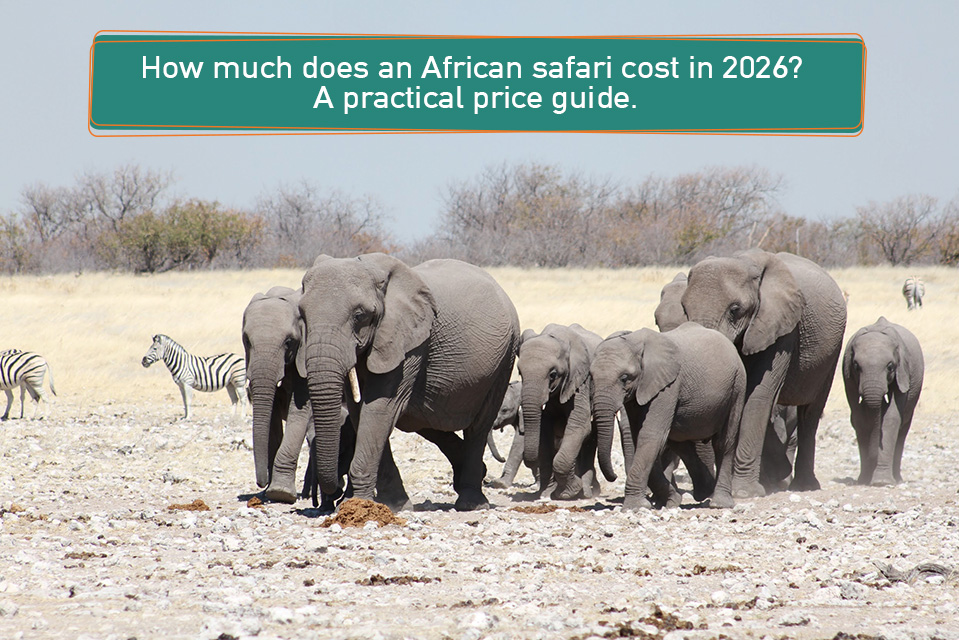
Dreaming of an African safari in 2026? Whether you envision yourself exploring the vast savannahs of the Serengeti or the lush landscapes of the Okavango Delta, understanding the costs involved is crucial to planning your ultimate adventure. The question “how much does an African safari cost?” often lingers in the minds of aspiring travelers. This comprehensive guide breaks down the safari cost per day, explores the ranges from budget to luxury, and offers insider tips on where you can save while ensuring an unforgettable experience.
Discover the diversity of Africa’s safari landscapes
Africa, a continent teeming with life and natural beauty, offers a myriad of safari experiences across its diverse landscapes. From Kenya’s Maasai Mara to South Africa’s Kruger National Park, each destination provides unique wildlife encounters and breathtaking scenery. An understanding of the varied safari environments will help you choose the perfect location that aligns with your travel aspirations and budget.
- Serengeti National Park, Tanzania: Famous for the Great Migration, the Serengeti is a spectacle of life where millions of wildebeest, zebras, and antelope traverse the plains in search of greener pastures.
- Maasai Mara, Kenya: As the northern extension of the Serengeti, the Maasai Mara offers thrilling wildlife sightings and cultural experiences with the Maasai people.
- Kruger National Park, South Africa: Known for its well-maintained infrastructure and diverse ecosystems, Kruger is ideal for first-time safari-goers seeking a self-drive adventure.
- Okavango Delta, Botswana: A UNESCO World Heritage site, the Delta is a labyrinth of waterways, offering unique mokoro (dugout canoe) safaris and exceptional birdwatching.
- Etosha National Park, Namibia: Renowned for its vast salt pans and abundant wildlife, Etosha provides spectacular game viewing and self-drive options.
Top safari attractions and activities
Each safari destination in Africa offers a variety of attractions and activities, ensuring that every traveler finds something to satisfy their adventurous spirit. To maximize your experience, consider engaging in the following iconic activities:
- Game drives: The quintessential safari experience, game drives are the best way to explore the wildlife-rich landscapes. Whether in a 4×4 vehicle or a guided tour, game drives provide close encounters with Africa’s Big Five: lion, leopard, elephant, buffalo, and rhino.
- Walking safaris: For those seeking a more intimate connection with nature, walking safaris offer a unique perspective. Led by experienced guides, you’ll learn about the smaller details of the ecosystem, including flora, insects, and animal tracks.
- Boat safaris: In destinations like the Okavango Delta and Chobe River, boat safaris provide a serene way to observe wildlife from the water. You’ll have the chance to see hippos, crocodiles, and a variety of bird species up close.
- Hot air balloon safaris: Experience the magic of Africa from above with a hot air balloon safari. As you float over the plains at sunrise, you’ll witness the beauty of the landscape and its inhabitants from a unique vantage point.
- Cultural experiences: Engage with local communities and learn about their traditions and way of life. Visits to tribal villages, cultural performances, and traditional craft markets enrich your safari journey.
Practical information: Accommodation, transport, and costs
The cost of an African safari in 2026 varies significantly depending on your choice of accommodation, transportation, and inclusions. Here’s a breakdown to help you budget for your adventure:
Accommodation options
Safari accommodation ranges from basic camping to ultra-luxurious lodges, with prices reflecting the level of comfort and exclusivity.
- Budget camping: Ideal for adventurous travelers, budget camping involves staying in tents within or near the reserves. Prices start from $50-100 per person per night, often including meals and basic amenities.
- Mid-range lodges: Offering greater comfort and facilities, mid-range lodges range from $150-300 per person per night. These often feature en-suite bathrooms, swimming pools, and guided game drives.
- Luxury lodges and camps: For a high-end experience, luxury lodges provide opulent accommodation and exceptional service. Prices can range from $500-1500 per person per night, including personalized itineraries, gourmet dining, and exclusive activities.
Transport options
- Road transfers: The most economical option, road transfers are ideal for travelers on a budget. Shared vehicles or self-drive options are available, with costs ranging from $50-100 per day.
- Fly-in safaris: For those seeking luxury and convenience, fly-in safaris provide quick access to remote destinations. Prices for internal flights start at $200-500 per person for one-way trips, depending on the distance and location.
Inclusions and extras
When assessing safari prices in Africa, consider what’s included in the package. Typical inclusions are accommodation, meals, game drives, park fees, and transfers. However, some extras may incur additional costs:
- Tips for guides and staff (usually 10-15% of the total cost)
- Travel insurance (essential for peace of mind)
- Optional activities (e.g., balloon rides, cultural tours)
- Personal expenses (e.g., souvenirs, drinks, and snacks)
Best time to visit and planning tips
The best time to visit Africa for a safari depends on where you are travelling. East Africa and Southern Africa follow different seasonal patterns, so it is worth thinking about your destination before deciding when to go. Timing can also have a direct impact on the cost of your safari, with peak wildlife months usually attracting higher prices.
Best time to visit East Africa
East Africa includes some of Africa’s most famous safari destinations, including Kenya’s Maasai Mara, Tanzania’s Serengeti, Ngorongoro Crater and other northern circuit parks. This region is strongly influenced by the Great Migration, as well as seasonal rains that affect wildlife movement, road conditions and accommodation prices.
Peak season: June to October
June to October is one of the most popular times to visit East Africa. The weather is generally drier, vegetation is thinner and wildlife is often easier to see. This is also the period when many travellers hope to witness the Great Migration in the Serengeti and Maasai Mara, particularly the dramatic river crossings that can occur between July and October.
Because demand is high, safari prices are usually at their most expensive during these months. Lodges and camps in prime migration areas can book up well in advance, so early planning is essential.
Short dry season: January to February
January and February can also be an excellent time for an East African safari, especially in Tanzania. This is the calving season in the southern Serengeti, when thousands of wildebeest are born and predator activity can be intense. It is a particularly rewarding time for photographers and travellers interested in big cat behaviour.
Prices can still be high in sought-after areas, but this period may offer better availability than the main migration months.
Shoulder and green seasons: March to May and November
The long rains usually fall between March and May, while November often brings shorter rains. These months can offer better value, fewer vehicles and lush green landscapes. Wildlife viewing can still be good, but conditions are less predictable and some remote camps may close during the wettest weeks.
For travellers who are flexible and not focused solely on the migration, the green season can be a smart way to reduce safari costs while still enjoying excellent scenery, birdlife and quieter parks.
Best time to visit Southern Africa
Southern Africa includes South Africa, Botswana, Namibia, Zambia and Zimbabwe, each offering very different safari styles. This region is particularly strong for dry-season game viewing, self-drive safaris, private reserves and water-based experiences in places such as the Okavango Delta and Chobe River.
Peak safari season: May to October
May to October is generally the best time for wildlife viewing across much of Southern Africa. This is the dry winter season, when animals gather around rivers, waterholes and permanent water sources. The bush is thinner, visibility improves and game drives can be very productive.
Botswana’s Okavango Delta, Chobe, South Africa’s Kruger region, Namibia’s Etosha and Zambia’s South Luangwa are all especially rewarding during this period. Prices are usually highest from around July to October, particularly in Botswana and other premium safari areas where availability is limited.
Green season: November to March
November to March is the wetter summer season across much of Southern Africa. The landscape becomes greener, many animals give birth and birdwatching is excellent. This can be a beautiful time to travel, with dramatic skies, fewer visitors and lower prices in some destinations.
However, wildlife may be more spread out because water is more widely available. Some remote areas can also be harder to access after heavy rain. This season is often best for repeat safari travellers, photographers, birders and those looking for better-value lodge rates.
Useful exception: Cape Town and the Garden Route
If your safari is part of a wider South Africa holiday, remember that Cape Town follows a different weather pattern from the main safari regions. The best safari months in Kruger often overlap with Cape Town’s cooler, wetter winter. For a combined Cape Town and safari trip, the shoulder months of April, May, September and October can offer a good balance.
How timing affects safari cost
The cheapest time to go on safari is not always the worst time to travel. Green season safaris can offer excellent value, quieter camps and beautiful landscapes. However, if your dream is to see the Great Migration river crossings, experience peak Okavango Delta water levels or maximise dry-season game viewing, you should expect to pay more.
As a general rule:
- Travel in peak season for the most reliable wildlife viewing.
- Travel in shoulder season for a balance of good sightings and better value.
- Travel in green season for lower prices, fewer crowds, birdwatching and photography.
- The right choice depends on your budget, destination and the type of safari experience you want.
| Destination | Best-value months | Peak-cost months | Why it matters |
|---|---|---|---|
| Kenya | Nov, Jan-Feb, Mar | Jul-Oct | Migration drives demand in the Maasai Mara |
| Tanzania | Mar-May, Nov | Jun-Oct, Jan-Feb | Serengeti migration and calving affect prices |
| Botswana | Nov-Mar | Jun-Oct | Limited camp capacity makes peak season expensive |
| South Africa | May-Jun, Sep | Jul-Aug, Dec | More flexible because Kruger has wider accommodation choice |
| Namibia | Nov-Mar | Jul-Oct | Etosha is strongest in the dry season |
Immerse yourself in local culture and experiences
A safari is not only about wildlife but also about immersing yourself in the rich cultural tapestry of Africa. Each country offers unique cultural experiences that add depth to your journey.
- Maasai Mara, Kenya: Visit a Maasai village to learn about their traditional way of life, crafts, and dance performances.
- Zulu Culture, South Africa: Experience Zulu culture through visits to traditional villages, storytelling, and learning about their warrior history.
- Himba Tribe, Namibia: Engage with the Himba people, known for their unique hairstyles, jewelry, and ochre body paint.
Savor the flavors: Food and dining recommendations
Food is an integral part of your safari experience, with many lodges offering exquisite dining options that reflect local flavors and international cuisine.
- Traditional braai: Enjoy a South African barbecue, or “braai,” featuring grilled meats, sausages, and local delicacies.
- Ugandan rolex: A popular street food, the Rolex is a chapati rolled with eggs, tomatoes, and onions—a must-try snack while on safari.
- Moroccan Tagine: Sample a flavorful stew cooked in a traditional clay pot, often featuring lamb, chicken, or vegetables with aromatic spices.
Plan your unforgettable African safari adventure
With its diverse landscapes, abundant wildlife, and rich cultural experiences, Africa offers an unparalleled safari adventure. Whether you’re seeking a budget-friendly camping trip or a luxurious fly-in safari, understanding the cost and planning accordingly will ensure a memorable journey. Consider your preferences, budget, and desired experiences to tailor the perfect safari itinerary.
Ready to embark on the adventure of a lifetime? Reach out to expert safari consultants to craft a personalized itinerary that aligns with your dreams. From booking accommodations and permits to arranging transportation and activities, let the experts handle the details while you savor the thrill of an African safari.
Explore the wonders of Africa and create unforgettable memories that will last a lifetime.


No Comments
Leave a Reply
Your email address will not be published. Required fields are marked *